
The Reason for a Name: Ethical References
Science and Faith
Giuseppe Moscati was born in Benevento in 1880. The son and grandson of magistrates, his professional life initially seemed destined for a career in law; however, no one had accounted for his profound faith, which soon led him down a different path. In addition to his tireless dedication to caring for the sick, Giuseppe was an outstanding researcher who experimented with new techniques and medications, such as insulin, which began to be used in the treatment of diabetes in 1922. His expertise in autopsies was so remarkable that, in 1925, he was entrusted with the direction of the Institute of Pathological Anatomy. It was not unusual to see him make the sign of the cross before operating on a deceased patient, out of the deep respect he felt for a body that had been a man loved by God. For him, science and faith were not two distant, separate, or irreconcilable worlds, but two elements that coexisted harmoniously in his daily life.
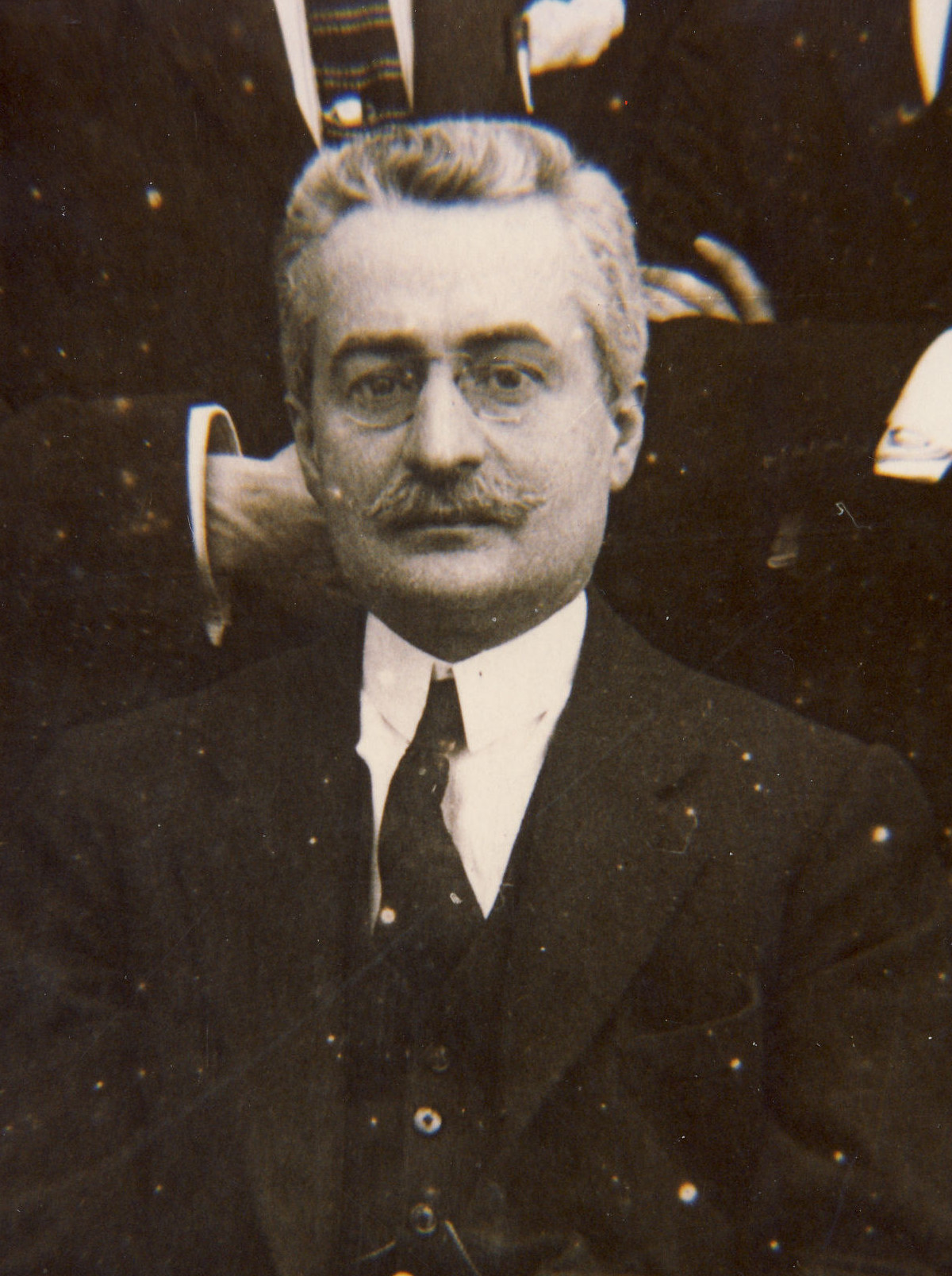
His existence was defined by a great devotion to the Virgin Mary, a life of sobriety and personal poverty following the example of Saint Francis, and the choice of celibacy to dedicate more time to his ever-increasing number of patients. His existence was defined by a great devotion to the Virgin Mary, a life of sobriety and personal poverty following the example of Saint Francis, and the choice of celibacy to dedicate more time to his ever-increasing number of patients.
On April 12, 1927, while sitting in his armchair, a heart attack struck him down at the age of 47. He was canonized by Pope John Paul II in 1987, at the conclusion of the synod of bishops regarding the vocation and mission of the laity within the Church.